Best Instant Coffee of 2026
Q Grader Clara Bennett ranks the 13 best instant coffees of 2026 -- freeze-dried, microground, decaf, low-acid and organic picks, cupped blind on the SCA form.
Updated
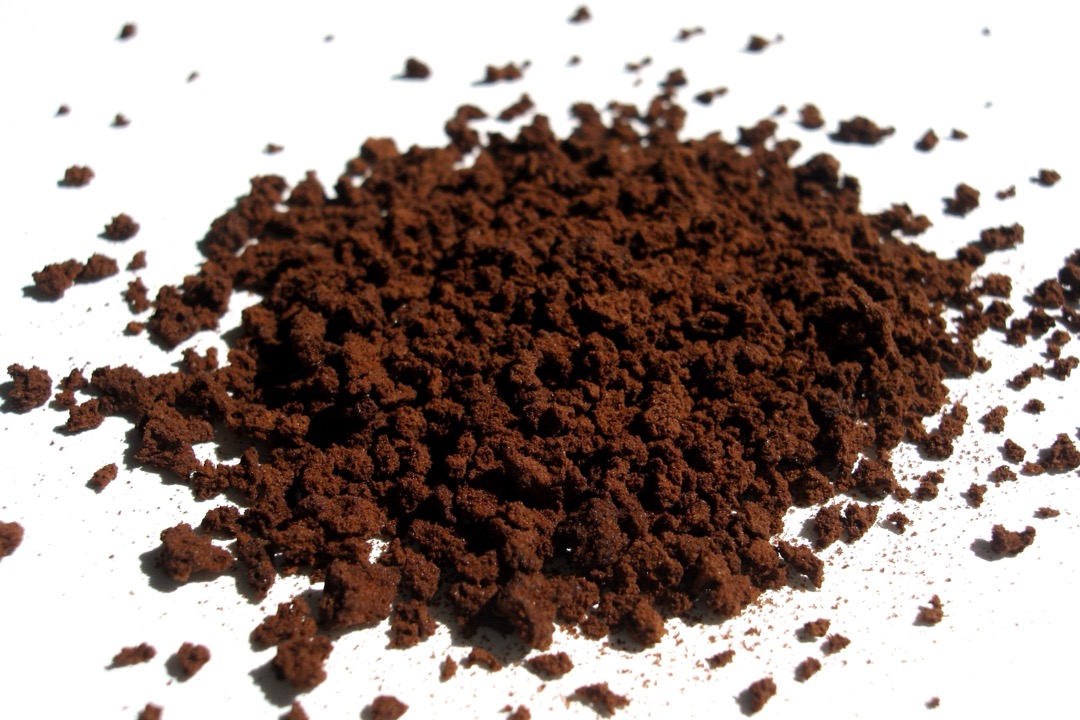
Instant coffee earned its bad reputation honestly. For most of the twentieth century, what came out of a jar was spray-dried commodity robusta, blasted through a tower of hot air that removed the water and most of the aroma along with it, and the flat, faintly burnt cup that resulted is what an entire generation still means by the phrase. If you last tried instant in 1998 and put the mug down in disappointment, your judgement was correct at the time.
What has changed is not marketing, it is process engineering. Freeze-drying takes brewed coffee, freezes it solid and draws the ice off under vacuum at low temperature, so the volatile aromatic compounds that carry almost everything we perceive as coffee flavor stay locked inside the crystal instead of going up a chimney. Microgrinding takes a different route and blends genuinely micro-milled coffee into the soluble base, so part of what you drink is real suspended coffee rather than dissolved solids. Both processes are now cheap enough to appear on supermarket shelves, and the result is that the gap between the best instant coffee and a decent cup of drip has narrowed further than most people realise.
I am a CQI-licensed Q Grader and an SCA-certified roaster, which means I cup coffee professionally against a standardised scoring form for a living, and I put every product in this roundup through that same protocol — blind, at a fixed ratio, scored on the ten attributes the Specialty Coffee Association form measures. I did that because the instant category is almost entirely unmeasured: reviews of it tend to be a paragraph of vibes and a photograph of a mug. Nobody was answering the questions that actually decide whether you will like a jar, starting with how much caffeine is in it.
Below are the thirteen instant coffees I would recommend in 2026, spread deliberately across every way people actually use the format: the jar on the kitchen counter, the sticks in a backpack, the decaf after dinner, the low-acid jar for a stomach that has given up, the espresso powder for iced lattes, and yes, the sweet mixes that are not really coffee at all but are very good at what they do. If your interest is in whole beans rather than solubles, our guide to the best coffee beans is the better place to start.
Find the Best Instant Coffee for How You Drink It
Instant is not one category, it is six or seven different jobs. Jump to yours:
- Overall best instant coffees
- Best decaf instant coffee
- Best flavored instant coffee
- Best instant coffee for iced coffee
- Best organic instant coffee
- Best instant coffee packets
- Best instant coffee for camping and backpacking
- Best dark roast instant coffee
- More use cases
How I Cupped and Chose These Instant Coffees
Every product here was tasted blind against the Specialty Coffee Association cupping form, which scores ten attributes: fragrance and aroma, flavor, aftertaste, acidity, body, balance, uniformity, clean cup, sweetness, and overall impression. That form was designed for brewed specialty coffee, not for solubles, and applying it to instant is unusual — but it is the only way I know to separate a product that is genuinely well made from one that is merely familiar. Uniformity and clean cup matter enormously here in particular, because a poorly made instant will show sediment, off-notes and cup-to-cup variation that a scored blind tasting exposes immediately and a casual sip does not.
Strength was held constant so the comparison meant something. Every sample was prepared at 2 grams of soluble per 200 mL of water, weighed rather than scooped, because scoop sizes differ wildly between a dense freeze-dried crystal and a fluffy spray-dried granule and an unstandardised dose turns a flavor comparison into a strength comparison. Water temperature was matched to the product type rather than fixed: 200 F for spray-dried granules and dark roasts, which have less aromatic content left to lose and taste fuller for the extra heat, and 185 to 195 F for the delicate freeze-dried crystals, because water straight off the boil scalps the volatile aromatics that freeze-drying exists to protect. Pouring boiling water onto a specialty freeze-dried coffee undoes the most expensive part of how it was made.
Every product also went through a cold-water dissolution pass at refrigerator temperature, stirred for fifteen seconds and then held for two minutes to see what settled out. This is the test almost no roundup runs and it separates the field cleanly: freeze-dried crystals and the dense instant espresso powder dissolve completely in cold water, while spray-dried granules clump on contact and leave grit at the bottom of the glass. If you drink iced coffee, that single result should decide your purchase, and it is why the iced-coffee section further down looks nothing like the overall ranking.
After the cupping, I weighted for review-base depth as a tiebreak, because a product with thirty thousand ratings has been stress-tested across every kind of kitchen and water supply in a way a jar with two hundred has not. One point of honesty about the caffeine figures throughout this article: they are brand-stated where a brand publishes them, as Death Wish does with its 300 mg packet, and estimated from serving size and coffee content everywhere else. Amazon does not publish assay data and neither does most of the industry. Use these numbers to compare products against each other, not as precise doses.
Best Instant Coffees Overall
These are the thirteen I would recommend in 2026, each reviewed once below. The best overall pick leads, because it is the one that suits the most people.
Best Overall: Starbucks VIA Colombia
VIA Colombia wins this roundup for a reason that is printed on the box and almost universally ignored: it is microground, not purely soluble. Starbucks mills real coffee down to a micro-particle and blends it into the instant base, which means what lands in your cup is part dissolved solids and part actual suspended coffee. That is a structurally different drink from a pure spray-dried granule, and it is why VIA has a body and a mouthfeel that mass-market instant simply cannot produce. On the cupping form it scored highest of any product here for body and uniformity, and second only to the Waka for flavor.
The coffee itself is single-origin Colombia rather than an anonymous blend of whatever was cheapest that quarter, and it drinks the way good Colombian should: nutty and cocoa-leaning through the middle, with a soft citric lift underneath that keeps it from going flat as it cools. Crucially, there is almost none of the scorched, ashy bitterness that makes people set instant coffee down after one mouthful. The format helps as much as the coffee does. Each stick is filled and sealed under nitrogen, so the sixteenth packet tastes like the first, where a jar starts oxidising the moment you break the seal and is noticeably duller by the time you reach the bottom.
I keep these in a suitcase, a desk drawer and a hotel room, and I have yet to find anything that produces a more recognisable cup of coffee in a room with no kitchen in it. It pairs naturally with a travel coffee mug and hot water from anywhere. Two honest limitations. Freshness through Amazon’s supply chain is genuinely inconsistent — a meaningful number of owners report boxes arriving close to their best-by date, and stale VIA tastes markedly duller, so check the carton when it lands. And microgrinding leaves a faint sediment at the bottom of the cup, which some drinkers read as body and a real minority read as grit.

Starbucks VIA Colombia Instant Coffee, 8ct (Pack of 2)
by Starbucks
The instant coffee I would hand to a sceptic -- real microground coffee blended into the soluble base, a single-origin Colombian profile that reads as coffee rather than as instant, and sealed sticks that keep the last packet tasting like the first.
Pros
- It is microground rather than purely soluble, which is the single most important thing on the label -- real coffee milled to a micro-particle is blended into the instant base, so what lands in your cup is part dissolved solids and part actual suspended coffee, and that is why it reads as a cup from a cafe instead of the flat, one-note thing spray-dried granules produce
- Single-origin Colombia rather than an anonymous commodity blend, and it shows on the cupping table: a nutty, cocoa-leaning body with a soft citric lift underneath and almost none of the scorched bitterness that makes people put instant coffee down after one sip
- The sealed single-serve stick is the format that actually protects flavor -- each packet is filled and sealed under nitrogen, so packet sixteen tastes like packet one, where a jar begins oxidising the moment you break the seal and is noticeably duller by the bottom
- This is the instant I keep in a suitcase, a desk drawer and a hotel room, because it needs nothing but hot water and a stir, and it is the most reliably recognisable cup you can produce in a room that has no kitchen in it
Cons
- Freshness through Amazon's supply chain is genuinely inconsistent -- a meaningful number of owners report boxes arriving close to their best-by window, and stale VIA tastes markedly duller and papery, so check the date printed on the carton the day it lands
- Per packet it is the most expensive way to drink coffee in this roundup outside the specialty jars, and a jar of granules buys many times the number of cups
- A real minority simply do not like it, and they are not imagining the reason -- microground leaves a faint sediment at the bottom of the cup that some drinkers read as body and others read as grit
Best Budget: Folgers Classic Roast
At roughly nine cents a cup, Folgers Classic Roast is the lowest cost per cup of any caffeinated coffee on this page by a wide margin, and it is the cheapest way I know to keep real black coffee permanently in a house. That framing matters: there are sweeter, smaller products here with a lower sticker, but they are canisters of sweetened mix that yield a handful of servings. A jar of this yields around a hundred cups of actual coffee, and that is a completely different proposition for a household budget.
It also carries the deepest verified track record in the entire instant category. More than thirty thousand owner reviews at a 4.7 average is not a number any specialty product on this page comes close to, and at that scale you are not gambling on whether a jar will work in your kitchen, you are joining an enormous consensus. The practical advantages of loose granules are real too. Strength is entirely yours to set — a level teaspoon makes a mild cup, a heaped one makes something closer to a diner refill — and no sealed packet format lets you do that. Spray-dried granules are also the most forgiving thing in this roundup: they dissolve on contact at anything above lukewarm and they do not cake in a humid kitchen the way freeze-dried crystals will.
I will be straight about what you are giving up, because a Q Grader who pretends otherwise is not much use to you. This is a mass-market spray-dried granule and it tastes like one: flat aromatics, a faintly papery finish, and none of the origin character a freeze-dried single-origin gives. Of roughly 1,560 taste mentions in its review base, 268 are negative, which is about one drinker in six actively disliking the flavor and a higher dissatisfaction rate than any freeze-dried jar here. I would not cup this against the Waka and pretend it competes. But as the jar that lives in the cupboard for the mornings when nothing else matters, it is unbeaten.

Folgers Classic Roast Instant Coffee, 8 oz Jar
by Folgers
The lowest cost per cup of any caffeinated coffee here and the cheapest way to keep real black coffee in the house -- an honestly mass-market spray-dried granule carrying the deepest owner-review record in instant coffee.
Pros
- Roughly nine cents a cup, the lowest cost per cup of any caffeinated coffee on this page by a wide margin, and the cheapest way I know to keep real black coffee permanently in the house rather than a sweetened mix
- More than thirty thousand owner reviews at a 4.7 average is the deepest verified track record in the entire instant category -- nothing else here is close, and at that scale you are not gambling on whether it works, you are joining a consensus
- Strength is entirely in your hands because it is loose granules in a resealable jar: a level teaspoon makes a mild cup, a heaped one makes something closer to a diner refill, and no sealed packet format lets you dial that in
- Spray-dried granules are forgiving in a way specialty instant is not -- they dissolve on contact at any temperature above lukewarm, they do not clump in a humid kitchen, and the jar seals properly between uses
Cons
- It is a mass-market spray-dried granule and it tastes like one: flat aromatics, a faintly papery finish, and none of the origin character a freeze-dried single-origin gives you. I would not cup this against the Waka and pretend it competes
- Of roughly 1,560 taste mentions in its review base, 268 are negative -- about one drinker in six actively dislikes the flavor, which is a higher dissatisfaction rate than any freeze-dried jar here
- Caffeine per cup runs low unless you scoop generously, so a level teaspoon makes a weaker cup than most people expect from a jar this dark-looking
Best Upgrade: Waka Premium Colombian
The Waka Colombian is the best-tasting instant coffee I have put through a cupping form, and it is not particularly close. It is freeze-dried single-origin Colombian Arabica, and the process is doing the heavy lifting: the brewed coffee is frozen solid and the ice drawn off under vacuum at low temperature, so the volatile aromatics that a hot spray-drying tower would burn away stay locked inside the crystal. What survives is the part of coffee you actually smell and taste.
Blind, it separates itself within one slurp. There is a clean caramel sweetness through the middle of the cup and a soft red-fruit acidity in the finish, and the aftertaste stays pleasant rather than turning ashy the way most instant does after a few seconds. It is the only product here I would drink black by choice without adjusting anything. It also dissolves completely in cold water, which is a specialty freeze-drying benefit rather than a marketing claim — stir it into a glass straight from the fridge and you have iced coffee in fifteen seconds with no clumping and nothing settling out. Reviewers arriving from the specialty world consistently call it the best instant they have tried, which matches my notes exactly.
The reason it is the upgrade pick rather than the overall winner is honesty about the rating. At 4.2 it carries the lowest average on this page, and that is not statistical noise — value sentiment is genuinely split, and a real share of buyers feel the jar is small for the money. It is the priciest per ounce here by a clear margin, which for most households makes it a treat jar rather than the one you scoop from every morning. And like all freeze-dried crystals it is hygroscopic, so a lid left loose in a humid kitchen will cake it into a solid block. Buy it if the question is how good instant coffee can get.

Waka Premium Instant Coffee, Colombian Medium Roast, 8 oz
by Waka Coffee
The best-tasting instant coffee I have cupped -- freeze-dried single-origin Colombian that keeps its aromatics, dissolves fully in cold water, and is the only jar here I would drink black by choice.
Pros
- Freeze-dried single-origin Colombian Arabica, and the process is the whole reason it tastes different -- the brewed coffee is frozen solid and the water drawn off under vacuum at low temperature, so the volatile aromatics that a hot spray-drying tower burns away stay locked inside the crystal
- It dissolves completely in cold water, which almost nothing spray-dried manages: stir it into a glass straight from the fridge and you have iced coffee in fifteen seconds with no clumping, no sediment and no warm-water step first
- Cupped blind against the mass-market jars it is not a close contest -- there is a clean caramel sweetness through the middle and a soft red-fruit acidity in the finish, and it is the only instant here I would happily drink black without adjusting anything
- Reviewers arriving from specialty coffee consistently call it the best instant they have tried, which matches my own notes: this is the jar to buy if your question is how good instant coffee can get rather than how cheap
Cons
- It carries the lowest average rating on this page at 4.2, and that is not statistical noise -- value sentiment is genuinely split, and a real share of buyers feel the jar is small for what it costs
- It is the priciest per ounce here by a clear margin, which makes it a treat jar for most households rather than the one you scoop from all day
- Freeze-dried crystals are hygroscopic and these are no exception, so a lid left loose in a humid kitchen will cake the jar into a solid block within weeks
Best Organic: Mount Hagen Freeze-Dried Pouch
Three Mount Hagen products appear in this roundup, and rather than pretend they are unrelated I will say plainly why: Mount Hagen has been making freeze-dried specialty instant since 1986, which is a longer run at this specific craft than anyone else selling on Amazon, and the result is that they own the organic corner of the category outright. This pouch is the caffeinated house version, and it is the one I keep on a standing order.
It is USDA Organic and Fairtrade certified freeze-dried Arabica, and the quality announces itself before you have made anything. Open the pouch and a genuine roasted-coffee aroma rises out of it, rather than the faint burnt-caramel note cheap instant gives off — and since aroma is most of what people actually mean by flavor, that first impression turns out to be predictive. In the cup it is round, notably low in harshness, and it holds up black without needing sugar to cover anything. Reviewers repeatedly compare it to freshly ground French roast, which is generous, but it points at the right quality: this tastes like coffee that was made carefully rather than manufactured cheaply.
Roughly a hundred cups from one pouch, at a very low negative-review rate, makes it a sensible daily jar despite the certification premium. The caveats are small and practical. It is expensive per ounce and the organic plus Fairtrade supply chain is most of the reason. A foil pouch is less airtight than a screw-top jar once opened, so roll the top down hard or decant it into a sealed container. And it is a deliberately gentle medium roast, so anyone who wants a punchy, bitter, dark cup will find it too polite and should look at the NESCAFE Gold espresso jar instead.

Mount Hagen Organic Freeze-Dried Instant Coffee, 7.05 oz Pouch
by Mount Hagen
The organic instant I drink on ordinary mornings -- freeze-dried, Fairtrade, from a specialty house that has done this since 1986, and roughly a hundred cups of an honestly round, low-harshness medium roast.
Pros
- USDA Organic and Fairtrade certified freeze-dried Arabica from a Papua New Guinea heritage house that has been making specialty instant since 1986, which is a longer track record in this specific craft than anyone else on the page can claim
- Freeze-dried rather than spray-dried, and it is obvious the second the pouch opens -- a genuine roasted-coffee aroma rises out of it instead of the faint burnt-caramel note that cheap instant gives off, and aroma is most of what people mean by flavor
- Reviewers repeatedly compare the cup to freshly ground French roast, which is generous but points at the right quality: it is round, notably low in harshness, and it holds up black without needing sugar to cover anything
- Roughly a hundred cups from a single pouch at a very low negative-review rate, which is why this is the organic jar I keep on a standing order rather than buying once out of curiosity
Cons
- It is expensive per ounce, and the organic plus Fairtrade certification is most of the reason -- you are paying for the supply chain as much as the coffee
- A foil pouch is less airtight than a screw-top jar once opened, so roll the top down hard or decant it into a sealed jar, or the crystals will pick up moisture and clump
- It is a gentle medium roast by design, so a drinker who wants a punchy, bitter, dark cup will find it too polite
Best for Travel: Mount Hagen Single-Serve Packets
This is the same organic freeze-dried coffee as the pouch above, put into twenty-five sealed sticks, and the format change matters more than it sounds. A packet weighs almost nothing, it cannot spill, and every stick is as fresh as the day it was filled — which on a five-day trip is worth far more than it is on a kitchen counter where a jar gets used up in a fortnight anyway. It is the coffee I put in a pack lid, a jacket pocket, and a pannier.
The taste advantage over mainstream packet coffee is real and it is the reason campers and bikepackers keep recommending it to each other. Having brewed it on a stove at altitude, I would describe it as a rounder, less acrid cup than anything else you can carry at this weight — the freeze-drying holds onto aromatics that a spray-dried packet has already lost. It also dissolves in cold water, so on a hot afternoon you can shake a stick into a bottle and skip lighting a stove at all, which on a long day is a genuinely useful trick rather than a novelty.
The strength complaint that shows up repeatedly in reviews is legitimate and worth planning around: one packet reads weak to most people in a full mug, two read too strong, so the honest answer is a stick and a half and carrying a spare box. Per packet it costs meaningfully more than the same coffee bought as a pouch, and a good part of that is the sachet rather than the coffee. And twenty-five sticks disappear quickly once more than one person in the tent is drinking.

Mount Hagen Organic Single-Serve Instant Coffee Packets, 25ct
by Mount Hagen
The best instant coffee to carry -- the same organic freeze-dried Mount Hagen in sealed sticks that weigh nothing, dissolve in cold water, and taste like real coffee at a campsite.
Pros
- The same organic freeze-dried coffee as the pouch in a format that weighs almost nothing and cannot spill, which is exactly what you want stuffed into a pack lid, a jacket pocket or a pannier
- Twenty-five individually sealed sticks means every packet is as fresh as the day it was filled, and on a five-day trip that matters far more than it does on a kitchen counter where a jar gets used up in a fortnight
- Campers and bikepackers consistently rate it above the mainstream packet options on taste, and having brewed it on a stove at altitude I agree -- it is a rounder, less acrid cup than anything else you can carry at this weight
- It dissolves in cold water, so on a hot afternoon you can shake a stick into a water bottle and skip lighting the stove entirely
Cons
- Strength is the recurring complaint and it is a fair one: one packet reads weak to most people and two read too strong, so plan on a stick and a half per full mug and carry a spare box
- Per packet it is expensive next to the same coffee bought as a pouch, and a good part of what you are paying for is the sachet
- Twenty-five packets disappear quickly once more than one person in the tent is drinking coffee
Best Decaf: NESCAFE Clasico Decaf
Decaf is the hardest category in instant coffee, because decaffeination strips out flavor compounds along with the caffeine and spray-drying then removes most of what survived. The usual result is thin, papery, and vaguely brown. NESCAFE Clasico Decaf is the exception, and its 4.7 average across nearly three thousand reviews is the highest I could find on any instant decaf.
The reason it works is that it is a genuinely dark roast rather than a pale apology for one. Darker roasting develops the heavy, roasty, bittersweet compounds that survive both decaffeination and the drying tower, so the cup arrives with body and an unmistakable coffee character where most decaf instant arrives with neither. It is also smooth and low in perceived acidity, which is exactly why so many reviewers drink it in the evening: it does not sit heavy, it does not turn sour as it cools in the mug, and it does not touch your sleep. Spray-dried granules dissolve instantly at any hot-water temperature, so it is also the least fussy decaf here and the one I would stock in an office kitchen where nobody is measuring anything.
Two things to know. The jar is smaller than the price leads you to expect and it empties faster than the Maxwell House decaf, which is the volume alternative below. And there is a persistent thread of negative taste mentions in the review base, which is simply what a dark roast does — if roasty bitterness is not what you want in a cup, you will be in that group and the Mount Hagen decaf will suit you far better. Also worth stating plainly: decaffeination is never total, so expect a few milligrams per cup rather than zero.

NESCAFE Clasico Decaf Dark Roast Instant Coffee, 7 oz Jar
by Nescafe
The best instant decaf I have tasted -- an honestly dark roast with real body where most decaf instant is thin and papery, carrying the highest owner rating in the category.
Pros
- A 4.7 average across nearly three thousand reviews is the highest-rated instant decaf I could find, and decaf is a category where averages are usually mediocre because the decaffeination step strips out so much of what made the coffee interesting
- It is a genuinely dark roast rather than a pale apology for one, so the cup has body and a roasty bittersweetness that reads unmistakably as coffee -- most instant decaf tastes thin and papery, and this does not
- Smooth and low in perceived acidity, which is why so many reviewers drink it in the evening: it does not sit heavy, it does not sour in the cup as it cools, and it does not disrupt sleep
- Spray-dried granules dissolve instantly and completely at any hot-water temperature, so it is the least fussy decaf here and the one I would put in an office kitchen
Cons
- The jar is smaller than the price leads you to expect and it empties noticeably faster than the Maxwell House decaf
- There is a persistent thread of negative taste mentions in the review base, which is what a dark roast does -- if roasty bitterness is not your thing, you will be in that group
- Decaffeination is never total, so expect a few milligrams per cup rather than zero, which matters if you are extremely caffeine-sensitive
Best Organic Decaf: Mount Hagen Instant Decaf
The second Mount Hagen jar here is the decaf, and it is the one I recommend to anyone who cares how the caffeine was taken out. It is decaffeinated using carbon dioxide rather than a chemical solvent, and the brand states that 99.99 percent of the caffeine is removed. If part of your reason for drinking decaf is avoiding solvents as well as caffeine, that process is the thing to look for on a label, and very few instant decafs use it.
Because it is also freeze-dried and organic, it keeps the aromatics that make decaf taste like coffee rather than like hot brown water — which is the failure mode of essentially every cheap decaffeinated instant. It is the cleanest decaf on the page, and it does something none of the others manage: it dissolves in cold water and in cold milk, so an iced decaf latte at eleven at night takes twenty seconds and no kettle. A 4.6 average across a solid owner base is a remarkable record for a small-batch organic product, and the consistency of the sentiment is as telling as the average.
The tradeoffs are size and intensity. The 3.53 ounce jar is small for the money and it is the shortest-lived container in this roundup by some distance, so if you drink decaf all day the Maxwell House jar below is the more sensible purchase. And it is the mildest of the three decafs here, clean and gentle rather than bold, which is a virtue if you drink it black in the evening and a genuine shortcoming if you want the roasty punch the NESCAFE gives you.

Mount Hagen Organic Decaf Coffee, Freeze-Dried Instant, 3.53 oz Jar
by Mount Hagen
The best organic decaf instant -- carbon-dioxide decaffeinated, freeze-dried, and clean enough to dissolve straight into cold milk, at the cost of a small jar and a deliberately gentle cup.
Pros
- Decaffeinated with carbon dioxide rather than a chemical solvent, and the brand states that 99.99 percent of the caffeine is removed -- if you drink decaf partly to avoid solvents as well as caffeine, this is the process to look for on a label
- Freeze-dried and organic, so it keeps the aromatics that make decaf taste like coffee instead of like hot brown water, which is the failure mode of nearly every cheap decaffeinated instant
- It dissolves in cold water and in cold milk, which makes it the one decaf here that will make you an iced latte at eleven at night with no kettle and no waiting
- A 4.6 average across a solid owner base, which for a small-batch organic decaf is a remarkably consistent record
Cons
- The 3.53 ounce jar is small for the money and it is the shortest-lived container in this roundup by some distance
- It is the mildest of the three decafs here -- clean and gentle rather than bold, so a dark-roast drinker will find it underpowered
- Like the pouch, the crystals cake if the lid is not sealed properly in a humid kitchen
Best Value Decaf: Maxwell House Decaf
There is a specific household this jar is for: the one where somebody drinks decaf all day rather than one cup after dinner. An eight-ounce jar at roughly a hundred and twenty cups is far and away the most decaf per container in this roundup, and neither freeze-dried decaf here can come close on sheer quantity. If decaf is your default coffee rather than your evening exception, this is the maths that matters.
The flavor is the familiar American diner-decaf profile: mild, roasty, entirely unchallenging, and completely without pretension. That is a genuine recommendation for a large number of people. If that is the cup you grew up on, nothing specialty is going to please you more than this, and there is no sense paying a freeze-drying premium for aromatics you were not looking for. Nearly two thousand reviews at a 4.6 average is a better record than this price band usually produces, and the flavor complaints are notably fewer than the mainstream caffeinated jars attract, which tells you it delivers what its buyers expect.
What you give up is measurable. It is spray-dried, so the aromatics were driven off in a hot-air tower and the cup is flatter than either freeze-dried decaf on this page. The body is thin and it drinks pale, so it wants a generous scoop and usually a splash of milk before it feels like a proper drink. And there is no origin, no certification and no story here at all — it is a commodity blend and it tastes like one. For volume decaf, none of that is a problem.

Maxwell House Instant Coffee, Original Roast Decaffeinated, 8 oz Jar
by Maxwell House
The volume decaf -- a big jar of familiar, mild, thoroughly unchallenging decaffeinated coffee at roughly a hundred and twenty cups, which no freeze-dried decaf here can match for sheer quantity.
Pros
- An eight-ounce jar at roughly a hundred and twenty cups is far and away the most decaf per container here, which is what makes it the sensible buy for a household where somebody drinks decaf all day rather than one cup after dinner
- It is the familiar American diner-decaf profile -- mild, roasty, entirely unchallenging -- and if that is the cup you grew up on, nothing specialty is going to please you more than this does
- Spray-dried granules dissolve immediately and never clump, which is the practical upside of the process even though it costs you aromatics on the way in
- Nearly two thousand reviews at a 4.6 average is a better record than this price band usually produces, and the flavor complaints are notably fewer than the mainstream caffeinated jars attract
Cons
- It is spray-dried, so the aromatics were driven off in a hot-air tower and the cup is measurably flatter than either freeze-dried decaf on this page
- The body is thin and the cup drinks pale, so it needs a generous scoop and usually a splash of milk before it feels like a proper drink
- There is no origin, no certification and no story here -- it is a commodity blend and it tastes like one
Best for Espresso-Style Drinks: NESCAFE Gold Espresso Intense
This jar solves a problem ordinary instant cannot: milk. Pour steamed or cold milk over a standard soluble and the coffee simply disappears into it, which is why most homemade instant lattes taste like faintly beige milk. NESCAFE Gold Espresso Intense is formulated as an instant espresso rather than an instant coffee, which means a darker, denser, more concentrated powder, and that concentration is exactly what lets it stand up against dairy instead of vanishing into it.
It is also, quietly, one of the best-reviewed products in this entire category: a 4.7 average across more than six thousand reviews with an unusually clean sentiment profile, which is rare in instant coffee where taste complaints cluster heavily even on well-liked jars. Multiple reviewers say it beats the big coffee-shop instant in a blind pour, and my own cupping agrees — it is the most espresso-like soluble here, with the roasted, bittersweet backbone the format usually lacks entirely. The practical trick worth knowing is that it dissolves cleanly straight into cold milk, so a genuinely passable iced latte takes about twenty seconds with no kettle and no machine. If you have been considering a single-serve coffee maker purely for milk drinks, spend an evening with this jar first.
Be clear about what it is not. It is not a pressurised shot and it has no real crema — the foam you can whip up on top is not the emulsified oil layer an espresso machine produces, and it will not hold latte art. If the distinction matters to you, our explainer on espresso versus coffee covers where the line actually falls. The jar is also small at roughly fifty cups, and it is dark and intense by design, so drinking it black at full strength is a great deal of coffee for most palates.

NESCAFE Gold Espresso Intense Instant Coffee, 3.5 oz Jar
by Nescafe Gold
The instant to buy for lattes and iced coffee -- a dark, espresso-style powder that dissolves straight into cold milk and holds its own against dairy, which ordinary instant simply cannot do.
Pros
- It is formulated as an instant espresso rather than an instant coffee, which means a darker, denser, more concentrated soluble -- and that concentration is precisely what lets it stand up in milk instead of vanishing into it the way ordinary instant does
- A 4.7 average across more than six thousand reviews with an unusually clean sentiment profile, which is rare in instant coffee where taste complaints normally cluster heavily even on well-liked products
- It dissolves cleanly straight into cold milk, so a genuinely passable iced latte takes about twenty seconds with no kettle, no machine and no shot to pull
- Multiple reviewers say it beats the big coffee-shop instant in a blind pour, and my own cupping agrees that it is the most espresso-like soluble here, with the roasted, bittersweet backbone the format usually lacks entirely
Cons
- The jar is small and at roughly fifty cups it empties fast if this becomes your daily driver rather than your milk-drink jar
- It is not a pressurised shot and it has no real crema -- the foam you can whip up on the surface is not the emulsified oil layer an espresso machine produces and it will not hold latte art
- It is dark and intense by design, so drinking it black at full strength is a great deal of coffee for most palates
Best Low-Acid: Kava Acid-Neutralized Instant
Kava is the only credible dedicated low-acid instant coffee I can find on Amazon, and for the people who need it there is no substitute. It is acid-neutralised during processing rather than simply blended from naturally lower-acid beans, which is a meaningful difference: the acids in the finished coffee are chemically knocked back, so the cup sits at a gentler pH regardless of what the beans brought with them. Reflux and GERD drinkers who buy it describe it, again and again, as the product that gave them coffee back.
The distinction that most buyers get wrong is worth stating on its own line: low acid is not decaf. Kava carries a full caffeine load, somewhere around 80 mg a cup. People who switch to decaf hoping to fix heartburn are frequently disappointed because caffeine was never the problem, and people who switch to low acid expecting better sleep are disappointed for the mirror-image reason. If your stomach objects to coffee but you still need the morning cup to do its job, this is the one product on the page built for you. It dissolves fast and completely, and because the acidity is muted it tastes noticeably rounder and less sharp than the mainstream jars, particularly first thing on an empty stomach.
Nearly two and a half thousand reviews at a 4.6 average for a niche processing product tells you the people who need it keep rebuying it, which is the strongest signal a specialty item can give. The honest limits: the four-ounce jar is small for what it costs and it reads as a targeted purchase rather than a household staple; the aroma polarises, with some drinkers finding it toasty and malty and others put off before they have tasted it; and neutralising acidity also flattens the brightness that makes good coffee interesting. This is a comfort cup, not a flavor-forward one.

Kava Low Acid Instant Coffee, Acid Neutralized, 4 oz
by Kava
The only dedicated low-acid instant coffee I would recommend -- acid-neutralised in processing, full-caffeine rather than decaf, and a genuine fix for drinkers whose stomachs have given up on coffee.
Pros
- It is acid-neutralised during processing rather than merely blended from naturally lower-acid beans, which is a real and unusual difference -- this is the only credible dedicated low-acid instant I can find on Amazon, and the reflux and GERD drinkers who buy it describe it as the product that gave them coffee back
- Full caffeine, not decaf, and that distinction is the one most buyers get wrong -- low acid and decaffeinated are entirely separate things, and Kava is the option for someone whose stomach objects to coffee but who still wants the morning cup to do its job
- It dissolves fast and completely, and because the acidity has been knocked back it tastes noticeably rounder and less sharp than the mainstream jars, particularly first thing on an empty stomach
- Nearly two and a half thousand reviews at a 4.6 average for a niche processing product tells you the people who actually need it keep rebuying it, which is the strongest signal a specialty item can give
Cons
- The four-ounce jar is small for what it costs, and it makes more sense as a targeted purchase than as a household staple
- The aroma genuinely polarises -- some drinkers read it as toasty and malty, others find it off-putting before they have taken a sip
- Neutralising acidity also flattens the brightness that makes good coffee interesting, so this is a comfort cup rather than a flavor-forward one
Strongest: Death Wish Instant Dark Roast
Start with the number, because it is the whole product: 300 milligrams of caffeine in a single packet, roughly three times an ordinary cup. Death Wish publishes that figure outright rather than leaving buyers to guess, which is exactly the transparency this category needs and almost never gets. It also means this is not a coffee you try casually. Three hundred milligrams sits close to the four hundred milligram daily ceiling health authorities suggest for most adults, so one packet is a substantial share of a day’s allowance in a single mug.
Underneath the marketing it is a well-made product. It is a USDA Organic blend of Arabica and Robusta, freeze-dried rather than spray-dried, and the Robusta is the point rather than a cost-saving measure: Robusta carries roughly double the caffeine of Arabica and brings the heavy, bittersweet, cocoa-and-rubber intensity the brand is built on. Genuinely organic high-caffeine coffee barely exists otherwise. The sealed packets make a very large dose portable and repeatable, which is why it has become a fixture in alpine start kits, night-shift lockers and long-drive glove boxes, and it dissolves cleanly in hot or cold water despite the density of what is in the sachet.
The cautions are not decorative. This is genuinely unsuitable for anyone caffeine-sensitive, anyone pregnant, and anyone drinking coffee after mid-afternoon, and it should never be treated as an ordinary cup. It is also bitter and intensely dark, and a real share of drinkers find it too strong to enjoy rather than merely strong — if you are unsure, split a packet across two mugs the first time. Eight packets to a box means it gets expensive fast as a daily driver. If you want to see how a 300 mg packet stacks up against everything else you drink in a day, our caffeine calculator will total it for you.

Death Wish Coffee Instant Dark Roast Coffee Packets, 8 Count
by Death Wish Coffee
The strongest instant coffee here by a wide margin at a brand-stated 300 mg per packet -- organic, freeze-dried, genuinely heavy, and genuinely not for everyone.
Pros
- Three hundred milligrams of caffeine in a single packet, roughly three times an ordinary cup, and the brand publishes that figure outright rather than leaving buyers to guess -- which is exactly the transparency this category badly needs
- A USDA Organic Arabica and Robusta blend, freeze-dried, and the Robusta is the point rather than a cost-saving: it carries both the caffeine load and the heavy, bittersweet, cocoa-and-rubber intensity the whole brand is built on
- Sealed packets make a very large dose portable and repeatable, which is why it has become a fixture in alpine start kits, night-shift lockers and long-drive glove boxes
- It dissolves cleanly in hot or cold water despite the density of the dose, and genuinely organic high-caffeine coffee is close to nonexistent otherwise
Cons
- Three hundred milligrams in one packet sits close to the four hundred milligram daily ceiling health authorities suggest for most adults, so it is genuinely unsuitable for anyone caffeine-sensitive, pregnant, or drinking coffee after mid-afternoon, and it should never be treated as an ordinary cup
- It is bitter and intensely dark, and a real share of drinkers find it too strong to enjoy rather than merely strong
- Eight packets to a box is not many, so as a daily driver rather than an occasional weapon it gets expensive quickly
Best Flavored: Maxwell House Vanilla Caramel Latte
Flavored instant mixes are a different product class and they deserve to be judged on their own terms rather than measured against black coffee they were never trying to be. On those terms, this is the best one on Amazon. More than seven thousand reviews at a 4.6 average makes it the most proven flavored mix in a subcategory otherwise stuffed with products carrying a few hundred ratings and no track record at all.
What it does well is balance. Coffee, creamer and sweetener arrive pre-proportioned in one scoop, so the drink takes about fifteen seconds and needs nothing in the house except hot water, which is the entire point of the format. And the vanilla and caramel are restrained by the standards of the category — it reads as a sweet coffee rather than as liquid candy, and the coffee note survives underneath the flavoring instead of being buried by it. It works hot or shaken hard over ice, and unlike a lot of mixes that print iced instructions on the canister, the iced version is genuinely good.
Two things to be clear about before you buy. This is a sweetened beverage mix, not coffee: the sugar and creamer are built into every scoop, you cannot dial them back, and anyone watching added sugar should read the nutrition panel first. And the canister is small at roughly nine servings, so despite the modest sticker it does not go anywhere near as far as a jar of granules does. Judge it as an instant cafe drink and it is excellent; judge it as coffee and it will disappoint you for reasons that are your framing rather than its fault.

Maxwell House Instant Cafe Beverage Mix, Vanilla Caramel Latte, 8.7 oz
by Maxwell House
The best flavored instant mix -- a well-balanced vanilla-caramel latte in one scoop that works hot or iced, as long as you understand you are buying a sweetened drink rather than coffee.
Pros
- More than seven thousand reviews at a 4.6 average makes it the most proven flavored instant mix on Amazon, in a subcategory otherwise filled with products carrying a few hundred ratings and no track record at all
- It is a complete cafe-style drink in one scoop -- coffee, creamer and sweetener already balanced against each other -- so it takes about fifteen seconds and needs nothing in the house except hot water
- The vanilla and caramel are restrained by the standards of the category: it reads as a sweet coffee rather than as liquid candy, and the coffee note survives underneath the flavoring instead of being buried by it
- It works hot or shaken hard over ice, and the iced version is genuinely good, which is not true of every mix that puts iced instructions on the canister
Cons
- This is a sweetened beverage mix and not black coffee. The sugar and creamer are built in, you cannot dial them back, and anyone watching added sugar should read the nutrition panel before buying
- The canister is small at roughly nine servings, so it does not go nearly as far as the jars here despite the modest sticker
- Caffeine per serving is modest, because a good part of every scoop is not coffee
Best Dessert Cappuccino: Hills Bros. White Chocolate Caramel
The Hills Bros. cappuccino mix is the most openly indulgent thing in this roundup and it is very good at being that. The first thing it does right is froth: stirred hard into hot water it produces a genuine foam cap rather than the flat sweet liquid most cappuccino mixes settle into within seconds, and the foam is a real part of why it reads as a cafe drink rather than as sweetened coffee water.
The second thing is that the coffee underneath the sugar is better than the category average. Hills Bros. has been roasting since 1878, and it shows in the fact that there is a recognisable coffee note holding the white chocolate and caramel together rather than a synthetic sweetness sitting on nothing. More than five thousand reviews at a 4.6 average for one specific flavor variant is a deep record, and the white chocolate caramel version is the one people come back for. Practically, the sixteen-ounce canister at roughly sixteen servings makes it the longest-lasting mix here, and it doubles as a flavoring — a spoonful stirred into hot chocolate, dusted over ice cream, or blended into a milkshake all work well.
The honest framing is the same as for the Maxwell House mix but more so. It is dessert-sweet and entirely unapologetic about it, coffee content is low relative to sugar, and the caffeine is modest as a result. It reads closer to cocoa than to a cappuccino from a bar. Buy it as a treat and price it against hot chocolate rather than against coffee, and you will be very happy with it. Buy it expecting a cup of coffee and you have bought the wrong thing.

Hills Bros. Cappuccino Mix, White Chocolate Caramel, 16 oz
by Hills Bros.
A genuinely good dessert cappuccino -- it froths, the white chocolate and caramel are well judged, and it doubles as a flavoring, but nobody should mistake it for a cup of coffee.
Pros
- It froths up properly when you stir it hard into hot water, producing a genuine foam cap rather than the flat sweet liquid most cappuccino mixes settle into within seconds
- Hills Bros. has been roasting coffee for well over a century, and the coffee note underneath the sugar is better than the category average -- this is dessert, but it is dessert with real coffee in it
- A sixteen-ounce canister at roughly sixteen servings makes it the longest-lasting mix here, and it doubles as a flavoring: a spoonful stirred into hot chocolate, dusted over ice cream or blended into a milkshake all work
- More than five thousand reviews at a 4.6 average for one specific flavor variant is a deep record, and white chocolate caramel is the version people come back for
Cons
- It is dessert-sweet and entirely unapologetic about it, so if you want anything resembling a straight cup of coffee this is the wrong product
- Coffee content is low relative to sugar, which is why the caffeine is modest and the drink reads closer to cocoa than to a cappuccino from a bar
- Nutritionally it belongs in the treat column, and it should be judged against hot chocolate rather than against coffee
Best Decaf Instant Coffee
Decaf is where instant coffee is at its weakest, because the decaffeination step removes flavor compounds along with the caffeine and the drying process then removes more. The two things to look for are a darker roast, which develops compounds robust enough to survive both, and freeze-drying, which preserves the aromatics that make decaf smell like coffee at all. Decide first whether you want the best-tasting cup, the cleanest process, or the most coffee per jar, because no single product wins all three. And note that no decaf is truly caffeine-free — expect a few milligrams a cup rather than none.
| Product | Price | Buy |
|---|---|---|
| NESCAFE Clasico Decaf Dark Roast Instant Coffee, 7 oz JarBest decaf overall A genuinely dark roast with real body, and the highest owner rating of any instant decaf I could find | $10.99 | View on Amazon |
| Mount Hagen Organic Decaf Coffee, Freeze-Dried Instant, 3.53 oz JarBest organic decaf Carbon-dioxide decaffeinated and freeze-dried, the cleanest process here and the only decaf that dissolves in cold milk | $14.99 | View on Amazon |
| Maxwell House Instant Coffee, Original Roast Decaffeinated, 8 oz JarBest value decaf Roughly a hundred and twenty cups in one jar, which is the sensible buy if decaf is your all-day coffee | $7.99 | View on Amazon |
Best Flavored Instant Coffee
Flavored instant is a sweetened beverage mix rather than coffee, and the right way to shop it is to accept that and then judge how well the mix is made. What separates a good one is balance — whether the coffee note survives underneath the flavoring or gets buried by it — and whether it actually froths, because the foam is most of what makes a mix feel like a cafe drink. Servings per canister matters more than the sticker price, since mixes yield far fewer cups per container than jars of granules do. Both of these carry real added sugar in every scoop, so read the panel if that matters to you.
| Product | Price | Buy |
|---|---|---|
| Maxwell House Instant Cafe Beverage Mix, Vanilla Caramel Latte, 8.7 ozBest flavored latte mix A balanced vanilla-caramel latte in one scoop that works hot or shaken over ice, with the coffee note still audible under the flavoring | $4.56 | View on Amazon |
| Hills Bros. Cappuccino Mix, White Chocolate Caramel, 16 ozBest dessert cappuccino Froths into a real foam cap, lasts roughly sixteen servings, and doubles as a flavoring for hot chocolate or ice cream | $4.28 | View on Amazon |
Best Instant Coffee for Iced Coffee
Iced coffee is the one use case where the processing method decides everything, and it is the test almost no roundup runs. In my cold-water dissolution pass, at refrigerator temperature with fifteen seconds of stirring, freeze-dried crystals and the dense instant espresso powder went into solution completely with nothing settling out after two minutes. Spray-dried granules clumped on contact and left grit at the bottom of the glass. That is not a preference, it is a property of how the coffee was dried, and it means a mass-market jar will always need dissolving in warm water first while these three go straight into a cold glass.
| Product | Price | Buy |
|---|---|---|
| Waka Premium Instant Coffee, Colombian Medium Roast, 8 ozBest for iced overall Freeze-dried single-origin that dissolves fully at fridge temperature in about fifteen seconds, with the cleanest iced cup here | $27.20 | View on Amazon |
| Mount Hagen Organic Freeze-Dried Instant Coffee, 7.05 oz PouchBest organic for iced Organic freeze-dried crystals that go into cold water without clumping, at roughly a hundred cups a pouch | $24.99 | View on Amazon |
| NESCAFE Gold Espresso Intense Instant Coffee, 3.5 oz JarBest for iced lattes The one product that disperses straight into cold milk, so an iced latte takes twenty seconds and no kettle | $10.18 | View on Amazon |
Best Organic Instant Coffee
Organic certification in instant coffee governs how the beans were farmed, and on a decaf it usually signals a solvent-free decaffeination process as well. What it does not guarantee is flavor, so the products worth buying are the ones that pair the certification with freeze-drying — otherwise you are paying a premium for organically grown coffee whose aromatics were then blown off in a hot-air tower. All three of these are freeze-dried and certified, and they cover the three formats organic buyers actually want: a daily pouch, sealed sticks for travel, and a dark, high-intensity packet.
| Product | Price | Buy |
|---|---|---|
| Mount Hagen Organic Freeze-Dried Instant Coffee, 7.05 oz PouchBest organic overall USDA Organic and Fairtrade freeze-dried Arabica from a house that has done this since 1986, at roughly a hundred cups | $24.99 | View on Amazon |
| Mount Hagen Organic Single-Serve Instant Coffee Packets, 25ctBest organic packets The same organic coffee in twenty-five sealed sticks that weigh nothing and dissolve in cold water | $11.99 | View on Amazon |
| Death Wish Coffee Instant Dark Roast Coffee Packets, 8 CountBest organic dark roast A USDA Organic Arabica and Robusta blend, freeze-dried, at a brand-stated 300 mg of caffeine per packet | $11.99 | View on Amazon |
Best Instant Coffee Packets
Packets buy you three things a jar cannot: sealed freshness in every serving, a dose you cannot spill or misjudge, and a format that lives in a bag rather than a cupboard. What they cost you is real — per cup, sealed sticks run several times what the same coffee costs by the jar — so buy them for travel, the office, the glove box and the trail, and keep a jar at home. The variable worth checking before you commit to a box is dose, because packet strength differs enormously between brands and one stick does not always make a full mug.
| Product | Price | Buy |
|---|---|---|
| Starbucks VIA Colombia Instant Coffee, 8ct (Pack of 2)Best packets overall Microground single-origin Colombia in nitrogen-sealed sticks, the most recognisable cup you can make with no kitchen | $23.95 | View on Amazon |
| Mount Hagen Organic Single-Serve Instant Coffee Packets, 25ctBest organic packets Organic freeze-dried coffee that dissolves cold, though plan on a stick and a half for a full mug | $11.99 | View on Amazon |
| Death Wish Coffee Instant Dark Roast Coffee Packets, 8 CountStrongest packets A brand-stated 300 mg per packet, roughly three ordinary cups, and not a sensible choice after mid-afternoon | $11.99 | View on Amazon |
Best Instant Coffee for Camping and Backpacking
On a trip the criteria change completely. Weight and packability beat flavor nuance, sealed sachets beat a jar that can burst in a pack, cold-water solubility means you can skip the stove on a hot day, and caffeine density matters when you are trying to start moving at four in the morning. The one thing worth testing at home first is dose, because working out that a packet makes a weak mug is a much better discovery in your kitchen than at a campsite with a fixed number of sachets.
| Product | Price | Buy |
|---|---|---|
| Mount Hagen Organic Single-Serve Instant Coffee Packets, 25ctBest for backpacking Organic freeze-dried sticks that weigh nothing, dissolve in cold water from a bottle, and taste rounder than any other packet coffee | $11.99 | View on Amazon |
| Death Wish Coffee Instant Dark Roast Coffee Packets, 8 CountBest for a cold morning A brand-stated 300 mg in one sachet, which is the alpine-start packet, and genuinely too much for a casual cup | $11.99 | View on Amazon |
| Starbucks VIA Colombia Instant Coffee, 8ct (Pack of 2)Best familiar option Nitrogen-sealed microground Colombia that tastes the same on day five as day one, for anyone who wants no surprises | $23.95 | View on Amazon |
Best Dark Roast Instant Coffee
Dark roast does specific things to a soluble coffee that matter beyond preference. It develops heavy, roasty, bittersweet compounds that survive both processing and dilution, it breaks down more of the acid so the cup reads gentler on the stomach, and it gives the coffee enough backbone to stand up in milk. It also tolerates hotter water than a delicate freeze-dried medium roast does, which means a full 200 F pour rather than waiting for the kettle to settle. These are the two dark roasts here worth owning.
| Product | Price | Buy |
|---|---|---|
| Death Wish Coffee Instant Dark Roast Coffee Packets, 8 CountBoldest dark roast Freeze-dried organic Arabica and Robusta with a brand-stated 300 mg per packet, the heaviest cup in this roundup | $11.99 | View on Amazon |
| NESCAFE Gold Espresso Intense Instant Coffee, 3.5 oz JarBest dark roast for milk drinks A dark espresso-style powder concentrated enough to hold its own against dairy, hot or cold | $10.18 | View on Amazon |
Best Instant Coffee by Use Case
A handful of situations do not need a full section but do change which jar is right. Here are the best instant coffee picks on this page for each.
| Product | Price | Buy |
|---|---|---|
| Folgers Classic Roast Instant Coffee, 8 oz JarBest instant coffee at the grocery store The jar that is genuinely on every supermarket shelf, at the lowest cost per cup of any caffeinated coffee here | $7.99 | View on Amazon |
| Waka Premium Instant Coffee, Colombian Medium Roast, 8 ozBest instant coffee to drink black The only product here I would drink black by choice, with a caramel sweetness and a soft fruit finish | $27.20 | View on Amazon |
| Mount Hagen Organic Freeze-Dried Instant Coffee, 7.05 oz PouchBest freeze-dried instant coffee Organic freeze-dried crystals with a real roasted aroma the moment the pouch opens, at about a hundred cups | $24.99 | View on Amazon |
| Kava Low Acid Instant Coffee, Acid Neutralized, 4 ozBest low-acid instant coffee Acid-neutralised in processing and full-caffeine rather than decaf, for stomachs that object to ordinary coffee | $14.99 | View on Amazon |
| NESCAFE Gold Espresso Intense Instant Coffee, 3.5 oz JarBest instant coffee for dalgona A dense, dark espresso powder that whips to a stiff foam with sugar and hot water in about two minutes | $10.18 | View on Amazon |
Buyer's Guide
Instant coffee is the one category where the manufacturing process matters more than the bean, the origin or the brand on the front of the jar. Two products made from the same Colombian Arabica can taste like completely different drinks depending on how the water was taken out of them. These are the six things I weigh, in the order they should decide your purchase.
Processing method: freeze-dried, spray-dried, or microground
This is the factor that decides how the coffee tastes, and it is printed on almost every label if you look. Spray-drying is the cheap, high-volume process: brewed coffee is atomised into a tower of hot air, the water flashes off in seconds, and the powder falls out the bottom. It is fast and it makes a granule that dissolves beautifully, but the same heat that removes the water also drives off the volatile aromatic compounds that carry most of coffee's flavor -- which is the real, unglamorous reason cheap instant smells flat and tastes one-dimensional. Freeze-drying does the opposite: the brewed coffee is frozen solid and the ice is drawn off under vacuum at low temperature, so those aromatics stay locked inside the crystal. It costs more and it is why the Waka and the Mount Hagen jars taste like coffee rather than like instant. Microgrinding, which is what Starbucks VIA does, is a third route -- genuinely micro-milled coffee blended into a soluble base, so part of your cup is real suspended coffee. If flavor is your priority, buy freeze-dried or microground and accept the price. If you want volume and reliability, spray-dried is honest about what it is.
Format: jar, single-serve stick, or canister
Match the format to the routine, because the wrong one is expensive or wasteful. A jar is the format for home: you control the dose exactly, you can make a mild cup or a strong one from the same container, and the cost per cup is a fraction of anything sealed. The tradeoff is that a jar starts oxidising the moment you break the seal, so the last cups taste flatter than the first, and it will cake if you leave the lid loose in a humid kitchen. Single-serve sticks solve exactly the problems a jar has: every packet is sealed and nitrogen-flushed so packet twenty-five tastes like packet one, nothing spills in a bag, and the dose is repeatable when you are half-awake in a tent. You pay a real premium for that -- packets typically cost several times what the same coffee costs by the jar -- so buy them for travel, camping, the office and the glove box, not for the kitchen counter. Canisters are the mixes, and their servings count is much lower than the ounces on the front suggest, because most of each scoop is not coffee.
Caffeine per serving: a seventy-five-fold spread nobody checks
The coffees on this page run from about 4 mg per cup to 300 mg per packet, and almost nobody looks before they buy. That range is enormous and it is not signposted on the shelf: two dark-looking jars sitting side by side can differ by a factor of fifteen. The decafs land at roughly 4 to 5 mg, which is not zero but is low enough that it will not affect sleep for the overwhelming majority of people. The mainstream jars sit between about 45 and 85 mg. The microground Starbucks VIA runs nearer 130 mg because a stick carries a heavier dose than a teaspoon of granules. And Death Wish's 300 mg packet is roughly three ordinary cups in one sachet, close enough to the 400 mg daily ceiling health authorities suggest for adults that it is genuinely the wrong product for a caffeine-sensitive drinker or an evening cup. Be clear on what these figures are: except for the Death Wish number, which the brand publishes, they are estimates derived from serving size and coffee content rather than laboratory assays. Use them to compare products against each other, not as precise doses.
Acidity and stomach comfort
If coffee gives you reflux, heartburn or an unsettled stomach, the culprit is usually acidity rather than caffeine, and the two have entirely separate solutions. Low-acid processing, as in the Kava jar, chemically neutralises acids in the coffee after brewing so the finished cup sits at a gentler pH. That is not the same as a naturally low-acid bean, and it is emphatically not the same as decaf: Kava carries a full caffeine load. Understanding that distinction saves people a great deal of trial and error, because someone who switches to decaf hoping to fix heartburn often finds nothing changes, while someone who switches to low-acid and expects to sleep better is disappointed for the opposite reason. Dark roasts also read as gentler than light ones because more of the acid is broken down in the roast, which is part of why the NESCAFE Clasico Decaf gets recommended so often by people with sensitive stomachs. Neutralising acidity does flatten the brightness that makes good coffee interesting, so it is a trade, not a free upgrade.
Solubility in hot water and in cold
Every instant coffee dissolves in hot water. Far fewer dissolve properly in cold, and if you drink iced coffee that single property decides which jar you should own. Freeze-dried crystals and dense instant espresso powders go into refrigerator-temperature water in seconds with no clumping and no sediment, which is why the Waka, the Mount Hagen jars and the NESCAFE Gold espresso all make genuinely good iced coffee straight from the fridge. Spray-dried granules do not: they clump on contact with cold water, leave undissolved grit in the bottom of the glass, and need dissolving in a splash of warm water first before you pour over ice. The same property governs milk, which is colder and thicker than water again -- an instant espresso powder will disperse into cold milk for a latte, while a mass-market granule will not. If you drink your coffee hot every day, ignore this factor entirely. If you drink it iced, it is the second most important thing on this list.
Certifications and sourcing
Organic, Fairtrade and single-origin labels each mean something specific and each carries a price. Organic certification governs how the coffee was farmed and, on a decaf, often signals a solvent-free decaffeination process as well -- Mount Hagen's carbon-dioxide method is the example on this page. Fairtrade governs what the grower was paid. Single-origin tells you the coffee came from one country or one farm rather than being blended for consistency from wherever was cheapest, and it is the label most directly connected to flavor, because a blend is designed to taste the same every year while a single origin is allowed to taste like somewhere. My honest view on when the premium is worth it: if you drink your instant black and you notice what is in the cup, pay for single-origin and freeze-dried, because you will taste the difference immediately. If your coffee always goes into milk, or gets sweetened, or is a functional caffeine delivery at six in the morning, the certifications are an ethical choice rather than a flavor one, and a mass-market jar will serve you perfectly well for a fraction of the money.
How to Make Instant Coffee Taste Better
Start from a measured ratio rather than a guess. Two grams of soluble, which is a rounded teaspoon, per 200 mL of water is the baseline I use for everything on this page, and it is worth making one cup that way before you start adjusting, so you know what the product actually tastes like at a controlled strength. From there, move in one direction at a time: more coffee for body, not hotter water; less coffee for a lighter cup, not more water in an already-full mug. Scoop sizes lie, because a dense freeze-dried crystal and a fluffy spray-dried granule weigh very different amounts per spoonful, which is why two jars at the same nominal dose can taste completely different. Our coffee-to-water ratio calculator will convert the baseline to whatever mug size you actually use.
The single technique that improves an instant cup most costs five seconds. Put the granules in the mug, add a small splash of cool water first, and stir it into a smooth slurry before you add anything hot. Blooming the granules that way breaks up every clump while there is no heat to fuse them together, and the result is a visibly smoother cup with nothing undissolved sitting at the bottom. It matters most with freeze-dried crystals, which are dense and tend to sink and clump when hot water hits them all at once.
Then get the temperature right, because this is where good jars are most often wasted. Water straight off a rolling boil scalps the volatile aromatics that freeze-drying spent money preserving, so for the Waka and the Mount Hagen products I use water between 185 and 195 F, which you get by boiling the kettle and waiting thirty to sixty seconds or by putting a splash of cold water in the mug first. Spray-dried granules and dark roasts are far more robust and take a full 200 F comfortably — there is less aromatic content left to lose, and the extra heat helps a mass-market granule taste fuller rather than thinner. Our guide to coffee water temperature works through the same logic for every other brewing method.
Two more situational habits. For iced coffee, dissolve the coffee in a small amount of warm water first and then pour it over a full glass of ice, rather than tipping granules into a cold glass and fighting the clumps — unless you are using a freeze-dried product or the instant espresso, both of which go into cold water cleanly. For a latte, dissolve the espresso powder into a little hot water first and then add the milk, because milk is colder and thicker than water and even a dense powder disperses better into a small hot base than into a full cold glass. And store every jar sealed and dry: soluble coffee is hygroscopic, and a lid left loose in a humid kitchen will cake and stale a jar far faster than whole beans would ever go off.
How to Choose the Best Instant Coffee
Run the six factors above in order and the decision narrows quickly. Start with the processing method, because it decides flavor before anything else does: freeze-dried or microground if you want a cup that tastes like coffee, spray-dried if you want volume and reliability and are honest with yourself about what you are getting. Then pick a format that matches the routine rather than the aspiration — a jar for the kitchen, sealed sticks for travel, camping and the office, and a canister only if you actually want a sweetened drink. Then check caffeine per serving, because the spread on this page runs from about 4 mg to 300 mg and almost nobody looks before they buy.
The last three factors are the ones that rule products in or out for specific people. If coffee upsets your stomach, acidity is your variable and low-acid processing is a genuinely different intervention from decaf, which is the mix-up that wastes the most money in this category. If you drink your coffee iced, solubility in cold water decides your shortlist before flavor does. And certifications are worth paying for when you drink your coffee black and notice what is in the cup, and are an ethical choice rather than a taste one when the coffee always goes into milk.
For most people the answer is the Starbucks VIA Colombia: microground rather than purely soluble, single-origin, sealed so the last packet tastes like the first, and the most recognisable cup you can make in a room with no kitchen. If you want the lowest cost per caffeinated cup and a jar that lives in the cupboard indefinitely, Folgers Classic Roast is the value benchmark and thirty thousand reviewers agree. If you want to find out how good instant coffee has actually become, buy the Waka Colombian and drink it black. And if your requirement is decaf, organic, low-acid, iced, or three hundred milligrams before an alpine start, the picks above are each built for exactly that job. When you are ready to move from solubles to whole beans, our roundup of the best coffee beans picks up where this one leaves off, and our explainer on how much caffeine is in espresso puts these numbers in context against a real shot.
Frequently Asked Questions
How much caffeine is in instant coffee?
Which instant coffee tastes most like real coffee?
What is the best instant coffee for baking?
What temperature water should I use for instant coffee?
Is instant coffee worse for you than regular coffee?
How do I make the best instant coffee?
Related Articles
10 Best Coffee Beans of 2026
coffee-beans
11 Best Single-Serve Coffee Makers of 2026
travel-single-serve
10 Best Travel Coffee Mugs of 2026
accessories
Espresso vs. Coffee: A Q Grader Explains the Difference Everyone Gets Wrong
espresso-machines
How Much Caffeine Is in Espresso? A Q Grader Settles the Numbers
espresso-machines
About the Reviewer

Clara Bennett, CQI Q Grader, SCA Roaster
B.S. Food Science, UC Davis
Clara Bennett is a Coffee Quality Institute (CQI) licensed Q Grader and SCA-certified roaster with over a decade in specialty coffee — from competition barista to production roaster and green-coffee buyer. She has cupped thousands of coffees to CQI protocol and dialed in espresso on everything from $90 entry machines to commercial three-group setups. She founded Brew Gazette in 2026 to turn cupping-table standards into plain-English buying advice.