Espresso vs. Coffee: A Q Grader Explains the Difference Everyone Gets Wrong
CQI Q Grader Clara Bennett settles the espresso vs. coffee debate with real numbers — 9-bar pressure vs. gravity, 8–12% TDS vs. 1.2–1.5%, ~63 mg vs. ~95 mg caffeine — and explains why the difference is the brewing method, not the bean.
Updated
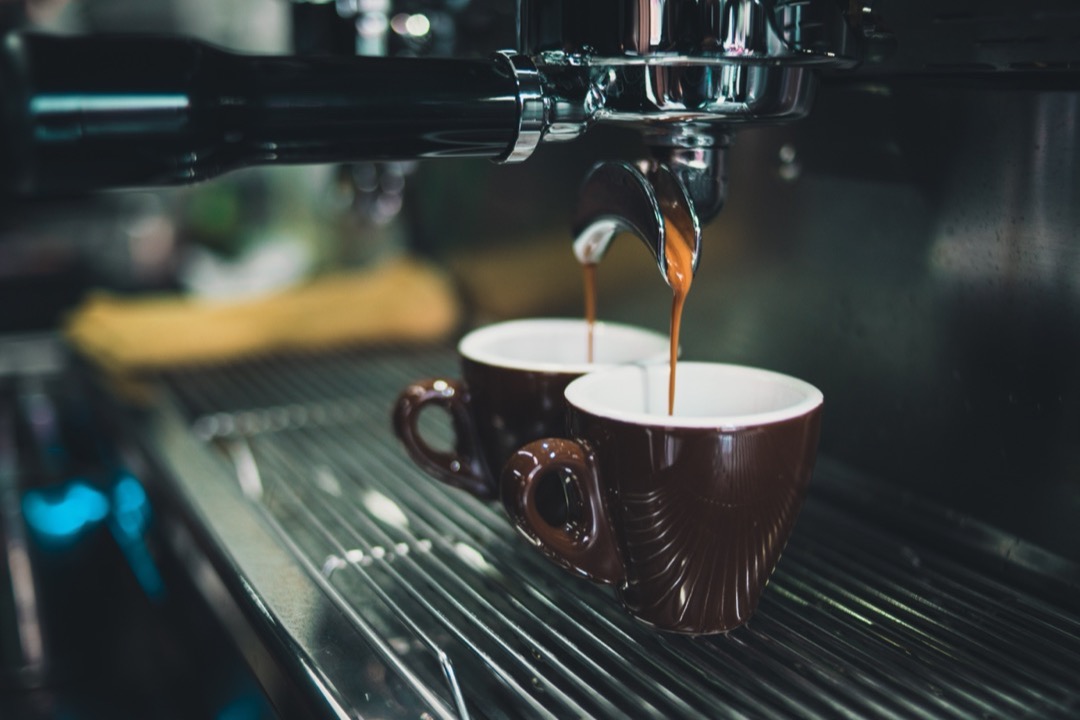
People come to me expecting espresso and coffee to be two different drinks, and the first thing I have to do is gently take that idea apart. Espresso is coffee. It is not a different bean, not a different plant, not a rival beverage — it is coffee brewed by a particular method, under pressure, in a hurry. The reason a shot of espresso and a mug of drip taste and feel like different worlds has almost nothing to do with what’s in the bag and almost everything to do with what the water does to it on the way through.
As a Q Grader I spend my weeks on the cupping bench measuring exactly this: how much coffee dissolves into water, how fast, and what it tastes like when it does. So when the question is “espresso vs. coffee,” I don’t reach for vibes — I reach for the refractometer and the scale. Let me give you the numbers first, then the science, and by the end you’ll understand why the difference is the method, not the bean, and which drink is actually right for you.
The Quick Answer
If you only read one section, read this one.
- Espresso and drip are the same coffee — the difference is entirely the brewing method, not the bean or the plant.
- Pressure is the whole story. Espresso forces water through fine grounds at about 9 bars of pressure. Drip lets water fall through coarser grounds under nothing but gravity.
- Espresso is fast and concentrated. A shot pulls in 25 to 30 seconds and comes out as a syrupy 1 oz of liquid topped with crema. Drip takes four minutes or more and fills an 8 oz mug.
- Caffeine per serving favors drip. A single espresso has about 63 mg; an 8-oz mug of drip has about 95 mg. Per ounce, though, espresso is roughly five times as caffeinated.
- Concentration is night and day. Espresso measures about 8 to 12% dissolved solids (TDS) on a refractometer; drip measures about 1.2 to 1.5%.
- Water temperature is the same for both — around 195 to 205°F.
- Espresso feels stronger because all that flavor and caffeine hit your palate at once in a tiny cup. That’s concentration, not a bigger dose.
That’s the whole comparison in a paragraph of bullets. The rest of this piece is why each of those numbers is what it is.
Espresso vs. Coffee at a Glance
Here’s how the two methods line up across the factors that actually matter. Nothing here is about price in dollars — I’ve kept equipment in tiers, because a good setup is an investment either way.
| Factor | Espresso | Drip Coffee |
|---|---|---|
| Extraction method | ~9 bars of pump pressure | Gravity, no pressure |
| Grind size | Fine, near powdery | Medium, like coarse sand |
| Brew time | 25–30 seconds | 4–6 minutes |
| Serving size | 1 oz single / 2 oz double | 8–12 oz |
| Caffeine per ounce | ~63 mg/oz | ~12 mg/oz |
| Caffeine per serving | ~63 mg single / ~125 mg double | ~95 mg (8 oz) |
| Body & texture | Syrupy, full, topped with crema | Light, clean, tea-like |
| Typical strength (TDS) | 8–12% dissolved solids | 1.2–1.5% dissolved solids |
| Equipment cost tier | Higher — pump machine plus a capable grinder is a several-part investment | Lower — a good drip maker and grinder are entry-friendly |
| Roast flexibility | Traditionally darker, but any roast works | Any roast; lighter roasts shine |
Read that table top to bottom and one thing jumps out: temperature is the only row where the two methods agree. Everything else diverges because of that first row — pressure versus gravity — which cascades into grind, time, serving size, and concentration. Let me build up the picture properly.
What Is Espresso?
Espresso is coffee brewed by forcing hot water through a compacted bed of finely ground coffee under pressure. The modern standard is about 9 bars of pressure — nine times atmospheric pressure — pushing water at roughly 195 to 205°F through around 7 to 9 grams of coffee for a single, or 14 to 18 grams for a double, in 25 to 30 seconds. The output is small: about one fluid ounce per single shot, twice that for a double.
What makes espresso unmistakable is crema, the reddish-golden foam that caps a fresh shot. Crema is an emulsion of coffee oils and carbon dioxide, whipped into being by the pressure. It’s the visual signature no drip method produces, and it’s a direct consequence of brewing under 9 bars rather than under gravity. A well-pulled shot is concentrated, aromatic, and viscous enough to coat a spoon.
What Is Drip Coffee?
Drip coffee — the mug most of the world starts the day with — is the opposite approach. Hot water at the same 195 to 205°F is poured or dripped over a bed of medium-ground coffee and allowed to pass through under nothing but gravity, usually through a paper filter. There’s no pressure, the grounds are coarser, and the contact time stretches to four minutes or more. The output is large and dilute: a full 8- to 12-ounce mug from a standard dose.
Because gravity is gentle and slow, drip extracts a broad, clean spectrum of the coffee’s flavors into a light-bodied cup. It’s the method that best shows off a bright, complex single origin, and it’s the most forgiving to brew consistently at home. If drip is your daily driver, the machine matters less than you’d think — the grind and the beans do most of the work, which is why I send people to our best drip coffee maker guide and our bean roundups in the same breath.
The Real Difference: Method, Not Bean
Here is the heart of it. If you took one bag of coffee, split it in two, and brewed half as espresso and half as drip, you’d get two drinks that taste like cousins rather than twins — from identical beans. The divergence is created entirely at the brewing stage, and it comes down to three linked variables.
Pressure. Espresso’s 9 bars force water into intimate contact with every particle and drive out oils and CO₂ that gravity never touches. That’s where crema, body, and concentration come from. Drip has no pressure, so it can’t produce any of those things — not because the bean lacks them, but because gravity can’t extract them.
Grind size and surface area. Because espresso has only 25 to 30 seconds of contact, the grind has to be extremely fine to expose enough surface area for the water to extract quickly. Drip has minutes, so it uses a coarser grind. Grind the same beans fine and dose them into a drip basket and you’ll get a bitter, over-extracted, slow-draining mess; grind them coarse for an espresso machine and the water rushes through, giving you sour, watery under-extraction. The grind must match the method — which is exactly why a capable grinder matters more than almost any other piece of gear. For daily filter brewing, a solid all-purpose coffee grinder is the foundation; for the fine, uniform, repeatable grind espresso demands, you want a dedicated espresso grinder with fine adjustment, because the grind window for a good shot is genuinely tiny.
The “espresso bean” label. So-called espresso beans are just beans a roaster has recommended for espresso — usually a slightly darker, more developed roast that tastes balanced under pressure. They are botanically identical to any other coffee. You can pull espresso from filter-roasted beans and brew “espresso roast” in a French press. The label is guidance, not law. If you want beans dialed for the portafilter, our best coffee beans for espresso picks explain what that roast development actually does to a shot.
Extraction Science: TDS and Yield
This is the part no casual coffee article covers, and it’s the part that makes the whole thing click. On the cupping bench I measure two numbers: extraction yield (what percentage of the coffee’s mass dissolved into the water) and TDS (what percentage of the final drink is dissolved coffee solids, read straight off a refractometer). They sound similar; they are not the same, and the gap between them explains espresso entirely.
Here’s the surprise: espresso and drip aim for almost the same extraction yield — roughly 18 to 22% of the coffee’s mass dissolved. In other words, both methods pull about the same fraction of goodness out of the grounds. A well-made drip and a well-pulled shot are equally “extracted” by that measure.
Where they diverge violently is TDS, the concentration of the finished drink:
- Espresso: about 8 to 12% dissolved solids. Nearly a tenth of what’s in the cup is dissolved coffee.
- Drip: about 1.2 to 1.5% dissolved solids. About 98.5% water.
Espresso is therefore roughly six to eight times more concentrated than drip, while extracting the same proportion from the bean. How? The brew ratio. Espresso uses about 1 part coffee to 2 parts water (18 grams of coffee yielding around 36 grams of liquid). Drip uses about 1 part coffee to 16 or 17 parts water. Same yield percentage, radically different amount of water to carry it — so espresso’s extracted solids are crammed into a tiny volume, and drip’s are spread across a mug.
And the timing? Espresso achieves in 25 to 30 seconds what gravity needs four minutes for, because pressure plus an enormous fine-grind surface area accelerates extraction dramatically. Nine bars of pressure and a powder-fine grind let the water do in half a minute what a coarse gravity brew stretches across five. That’s the engineering trick at the core of espresso: same extraction, a fraction of the time, a fraction of the water, many times the concentration.
Once you see coffee as a yield-and-concentration problem, “espresso vs. coffee” stops being a mystery. They’re two dials — how much you extract, and how much water you dilute it into — set to very different positions.
Caffeine: the Short Version
Caffeine is where the intuition fails most people, so here’s the compressed version. A single espresso holds about 63 mg of caffeine in its one ounce; an 8-ounce mug of drip holds about 95 mg. Per ounce, espresso is far more caffeinated — roughly 63 mg/oz versus about 12 mg/oz for drip, about five times as concentrated. But per serving, the big mug wins, because you drink eight times the volume.
So the tiny cup that feels like a jolt actually carries less total caffeine than the mug you sip at your desk. A double espresso, at about 125 mg, does edge past a mug of drip — which is why, if you want espresso to genuinely out-caffeinate filter coffee, you order a doppio. The “espresso is the strongest coffee” belief is really a story about concentration and speed of delivery, not total dose.
That’s the summary. The full breakdown — single vs. double vs. triple, Arabica vs. Robusta, how roast and dose and extraction each move the number, and where lattes and decaf land — lives in our full espresso caffeine breakdown. I wrote that piece specifically to own this subtopic, so I won’t duplicate its depth here; if caffeine is your real question, start there.
Taste & Texture: a Cupping-Table Comparison
This is the lane where my day job actually earns its keep, because taste is the difference most people feel but can’t name. When I cup espresso against drip from the same coffee, four sensory dimensions separate them.
Acidity. Drip, with its long gentle extraction and thin body, tends to present acidity clearly — the bright, juicy, sometimes citric or tart notes that make a good single origin sing. Espresso’s darker traditional roasts and heavy concentration soften and round that acidity into something more like sweetness or richness. If a coffee tastes lemony as a pour-over, it often reads as caramel or dark cherry as a shot.
Body and mouthfeel. This is espresso’s home turf. At 8 to 12% dissolved solids plus emulsified oils and crema, a shot is syrupy — it has weight and texture that coats the tongue. Drip, at barely over 1% solids and paper-filtered to remove oils, is clean and light, closer to tea in body. Neither is better; they’re built for different pleasures.
Sweetness. A short, well-pulled shot — especially a ristretto — captures the early, sweeter, more soluble compounds and stops before the harsh late ones, so espresso can taste intensely sweet despite having no sugar. Drip’s fuller extraction reveals more of the coffee’s whole range, sweetness included, but in a more transparent, less concentrated way.
Crema and finish. Crema isn’t just decoration; it holds aromatic oils and gives espresso a lingering, evolving finish that develops for a full minute after you drink it. Drip has a cleaner, shorter finish that resets your palate quickly. On the cupping table I’d describe espresso as a drink you chew and drip as a drink you rinse — and both descriptions are compliments.
The bean you choose shapes all four dimensions, which is why matching beans to method matters. For the bright, acidity-forward coffees that reward drip, see our best coffee beans guide; for beans developed to taste sweet and round under pressure, the best coffee beans for espresso list is the one I’d hand you.
A Brief History
The concentration-and-speed obsession that defines espresso is Italian, and it started with impatience. In 1901 Luigi Bezzera patented a steam-pressure machine designed to brew a single cup fast — the word espresso itself carries the sense of “made expressly, on the spot.” Those early steam machines could only reach a couple of bars of pressure, so the coffee was quick and concentrated but often bitter from the scalding steam.
The leap to modern espresso came in 1948, when Achille Gaggia commercialized a spring-lever machine. Instead of steam, a barista pulled a lever that compressed a spring, which then drove water through the coffee at far higher pressure — around 9 bars. That’s where the phrase “pulling a shot” comes from, and it’s where crema first appeared as a consistent feature; Gaggia originally marketed that mysterious foam as “coffee cream.” The 9-bar figure that machines still target today is a direct inheritance from what those lever springs happened to deliver. Everything since — pumps replacing levers, PID temperature control, pressure profiling — has been refinement on the standard Gaggia set nearly 80 years ago.
Cost Per Cup & Equipment
Let’s talk economics in plain terms, without dollar figures, because the shape of the cost is what matters.
Espresso is the higher-investment path. A capable pump machine that can hold 9 bars and stable temperature is a serious purchase, and — this is the part people underestimate — it demands an equally serious grinder. The grind window for espresso is so tight that a cheap grinder will sabotage an expensive machine every morning. So the real entry cost is machine plus espresso grinder together, and I’d genuinely tell someone on a tight budget to split their money evenly rather than buy a great machine and a poor grinder. If you’re ready for that path, our best espresso machine guide walks through the tiers from entry pump machines to prosumer setups.
Drip is the gentler investment. A good drip coffee maker is far more approachable, the grind tolerance is much wider so an all-purpose coffee grinder is plenty, and the cost per cup is lower because you’re brewing large batches. On a per-serving basis, home brewing of either kind is dramatically cheaper than café prices — the machine pays for itself over months, not years. The honest framing: espresso is a hobby you invest in and a ritual you perform; drip is a utility you set and forget. Both are valid; they just ask for different budgets and different attention.
Which Should You Choose?
Forget which is “better” — ask which fits your life.
- You want a big mug to sip through the morning. Drip, every time. It’s built for volume, it’s forgiving to brew, and it delivers more total caffeine per serving. Pair a decent maker with a burr grinder and bright beans and you’re set.
- You love intense flavor, crema, and ritual. Espresso. If the concentrated, syrupy, aromatic experience is what you’re chasing, nothing else delivers it, and no amount of drip gear will get you crema.
- You mostly drink milk drinks — lattes, cappuccinos, flat whites. Espresso, because milk drinks are built on shots. There’s no lovely cappuccino without a real portafilter behind it.
- You want simplicity and low cost. Drip. Lower equipment investment, wider margin for error, easy cleanup.
- You want both and have the counter space. Many serious home setups run a drip maker for volume weekday mornings and an espresso machine for the weekend ritual. That’s not indulgent — it’s matching the tool to the moment.
Whichever you pick, the two purchases that decide your cup quality are the grinder and the beans, not the brand of the brewer. That’s true for both methods and it’s the single most important thing I can tell a new home brewer.
Myth-Busting
Let me close by dismantling the five claims I hear most often.
Myth 1: “Espresso beans are a different kind of bean.” No. They’re the same beans as any coffee — usually just roasted darker and recommended for espresso. The label is a serving suggestion, not a species. You can brew espresso-roast beans in a French press and pull shots from filter-roast beans.
Myth 2: “Dark roast has more caffeine.” Nearly the opposite of intuition, and mostly a wash. Caffeine is heat-stable, so roasting doesn’t burn it away. Dark roasts lose moisture and swell, so by scoop they can even have slightly less; measured by weight — how you should dose — light and dark are essentially equal. Roast is a flavor choice, not a caffeine lever.
Myth 3: “Espresso is always bitter.” Bitterness is a sign of over-extraction or stale, poorly-dialed coffee, not an inherent trait of espresso. A properly pulled shot from fresh, well-ground beans is sweet, balanced, and complex. If your espresso is harsh, the culprit is almost always grind or dose, not the method.
Myth 4: “Espresso has more caffeine than coffee.” Per ounce, yes; per serving, usually no. A single shot (~63 mg) sits below an 8-oz mug of drip (~95 mg). Espresso feels stronger because it’s concentrated and delivered fast, but a big mug quietly out-doses a single shot. It takes a double to beat the mug.
Myth 5: “You can’t make good espresso at home.” You absolutely can — but the grinder is the hard part, not the machine. Home baristas pull café-quality shots every day; what separates them is a grinder capable of fine, consistent adjustment and the discipline to weigh their dose. Buy the grinder to match the machine and home espresso is very much within reach.
Strip away the mythology and the truth is simple and a little beautiful: espresso and coffee are the same thing, pulled apart by pressure, grind, and time into two drinks with different souls. One is a concentrated ounce you savor; the other is a clean mug you live in. Knowing why — the 9 bars, the 18-to-22% yield poured into wildly different amounts of water, the crema that only pressure can make — is what turns “which is better” into the far better question: which one do you want right now.
Frequently Asked Questions
Is espresso stronger than regular coffee?
Is 2 shots of espresso equal to a cup of coffee?
What's the difference between espresso beans and coffee beans?
Can you make espresso without an espresso machine?
Why do I like espresso but not coffee?
Is espresso healthier than coffee?
Related Articles
About the Reviewer

Clara Bennett, CQI Q Grader, SCA Roaster
B.S. Food Science, UC Davis
Clara Bennett is a Coffee Quality Institute (CQI) licensed Q Grader and SCA-certified roaster with over a decade in specialty coffee — from competition barista to production roaster and green-coffee buyer. She has cupped thousands of coffees to CQI protocol and dialed in espresso on everything from $90 entry machines to commercial three-group setups. She founded Brew Gazette in 2026 to turn cupping-table standards into plain-English buying advice.