Espresso Powder vs. Instant Coffee: What They Actually Are, and When to Swap One for the Other
Q Grader Clara Bennett explains why espresso powder IS instant coffee, gives the real 1.5:1 substitution ratio with the reasoning, and reconciles the caffeine numbers.
Updated
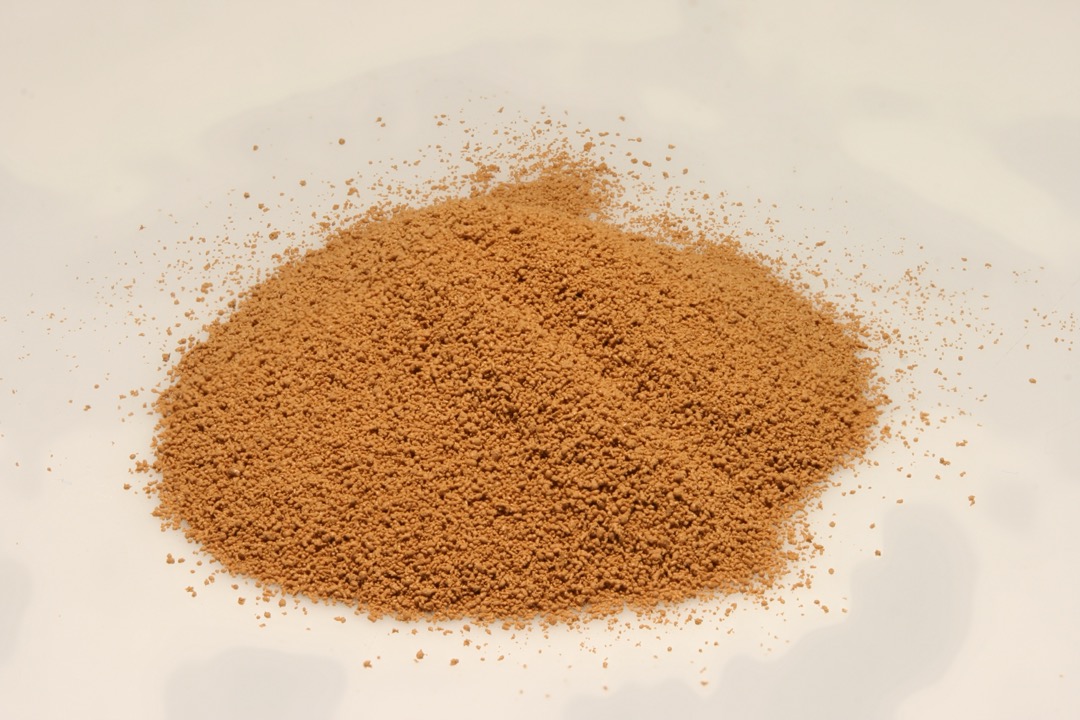
Two jars sit in most people’s kitchens looking like the same thing: a small dark jar labeled espresso powder, and a larger jar of instant coffee. Every recipe blog insists they are different products. Almost none of them explains what the difference actually is, and a surprising number get it backwards.
I hold a CQI Q Grader credential and I spend my working weeks scoring coffee on a cupping table, which means I have tasted both of these products side by side more times than is reasonable for anyone who is not paid to. So I am going to give you the answer the food blogs dance around, then the reasoning, then the ratio you actually need, with the arithmetic shown.
The Quick Answer
Espresso powder is instant coffee. Not similar to it, not a cousin of it. It is made by the same process, and King Arthur’s own product copy says so plainly: ground, brewed, then dried. That is the definition of instant coffee. Someone brewed a large batch of espresso-roast coffee, then removed the water and sold you the dissolved solids that were left.
Three things separate a jar of espresso powder from a jar of supermarket instant, and none of them is the manufacturing method. The beans are a darker espresso roast. The coffee was brewed to a stronger concentration before drying. The dried result was milled finer, so it is denser in the spoon and disperses better in a batter. That is the entire list.
Because of the concentration and the density, you need more instant coffee than espresso powder to hit the same flavor. Start at 1.5 teaspoons of instant coffee per 1 teaspoon of espresso powder, taste, and move from there. If you have a scale, weigh instead of scooping, which removes most of the guesswork immediately.
And one thing neither jar contains: espresso. Espresso is a pressure extraction. Nothing you dissolve in a mug reproduces it. More on that below, because the industry’s loose use of the word is the source of a lot of confusion.
Espresso Powder vs. Instant Coffee at a Glance
| Factor | Espresso Powder | Instant Coffee |
|---|---|---|
| What it is | Brewed espresso-roast coffee, dehydrated to soluble solids | Brewed coffee, dehydrated to soluble solids |
| Manufacturing | Spray-dried or freeze-dried, then milled fine | Spray-dried and agglomerated, or freeze-dried into granules |
| Beans and roast | Dark espresso roast, usually a blend | Lighter to medium roast, often robusta-heavy |
| Extraction before drying | Stronger, more concentrated brew | Standard brew strength |
| Particle size | Fine powder | Granules, visibly larger and lighter |
| Density per level teaspoon | High, roughly 2 g | Roughly 1 g for puffy freeze-dried, up to 2 g for dense spray-dried |
| Solubility in hot liquid | Excellent | Excellent |
| Solubility in cold or fatty mixtures | Good, disperses well | Poor, leaves flecks |
| Caffeine per teaspoon | Roughly 55 to 70 mg, because a teaspoon weighs more | ~28 to 35 mg per USDA |
| Caffeine per gram | Similar to instant, around 3 percent by weight | ~3.3 percent by weight |
| Best use | Baking, chocolate desserts, savory rubs | Drinking, and baking as a substitute |
| Typical dose in baking | 1/2 to 2 tsp | 3/4 to 4 tsp, adjusted by ratio |
The density row and the extraction row explain nearly everything else in that table, including the ratio confusion further down.
What Is Espresso Powder?
Espresso powder is coffee that has already been brewed and then dried back into a soluble solid. It starts as espresso-roast beans, usually a dark commercial blend rather than a single origin. Those beans are ground, brewed as a large concentrated batch, and then dehydrated by either spray-drying or freeze-drying. The dried result is milled to a fine, dark, almost cocoa-like powder.
It exists because bakers needed a coffee ingredient that dissolves completely and contributes concentrated flavor without adding liquid. Brewed coffee adds water to a recipe. Ground beans add grit. A fine soluble powder adds neither.
The dose is small. King Arthur’s test kitchen recommends half a teaspoon to two teaspoons in chocolate baked goods, frostings, and sauces, which is a fraction of what you would use to make a cup of coffee. That is deliberate, and I will explain why in the baking section.
You will find it in the baking aisle beside the cocoa and the extracts, not with the coffee. That single fact resolves most of the “my store doesn’t carry it” complaints I hear. Our best instant espresso powder roundup covers the jars actually worth buying, because roast depth and mill fineness vary a lot more between brands than the labels suggest.
Is Espresso Powder the Same as Instant Coffee?
By process, yes. By product, not quite.
I want to be precise here because the internet is not. Both are made the same way: brew a big batch, remove the water, sell the solids. There is no separate technology, no special category, no regulatory distinction. If you dissolve espresso powder in hot water you get a cup of instant coffee, because that is what it is.
What differs is the input and the finish. The beans are roasted darker, the brew before drying is stronger, and the powder is milled finer. The practical consequence is that espresso powder is more intense per gram, more intense again per teaspoon because of density, and better behaved in a mixing bowl. Standard instant is milder, lighter, and built for a mug. Same category, different tool for a different job.
Instant Espresso vs. Instant Coffee: Is There a Difference?
First, a terminology cleanup that saves a lot of confusion. Espresso powder, instant espresso, and instant espresso powder all mean the same thing. Brands use the three labels interchangeably, and no manufacturing or legal difference separates them. DeLallo says one, King Arthur says another, Medaglia d’Oro says a third, and all three jars hold essentially the same category of product. If a recipe calls for instant espresso and your jar reads espresso powder, you already have it.
The real comparison, then, is instant espresso against plain instant coffee, and the differences are the ones above: darker roast, stronger extraction, finer mill. There is also a species tendency worth knowing. A great deal of commodity instant coffee is robusta or robusta-heavy, because robusta yields more soluble solids per kilogram of green coffee and costs less, which matters enormously when the product literally is the dried extract. If you want the full picture on what that does to flavor and caffeine, our arabica vs. robusta breakdown works through the chemistry. Espresso powders are usually blends too, so do not assume the premium jar is all arabica unless the label says so.
How Both Are Actually Made
Commercial soluble coffee is dried in one of two ways, and the method determines what the granules look like in your spoon.
Spray-drying is the cheaper route. Concentrated brewed coffee is sprayed into a tower of hot air, and the water flashes off, leaving dust-sized particles behind. Those particles are too fine to sell as-is, because they clump and behave badly in a mug, so since around 1968 manufacturers have agglomerated them: fusing the dust back together with steam into the larger granules you see in most supermarket jars.
Freeze-drying costs more and preserves more aromatics. The coffee extract is frozen, milled into granules, and the ice is removed by sublimation under vacuum, going straight from solid to vapor without ever becoming liquid. The process was launched commercially in 1963 by Maxwell House. Sublimation leaves the granule full of voids, expanding it to roughly ten times its original volume. That expansion is exactly why a teaspoon of freeze-dried instant weighs so little and why the substitution ratio gets messy.
Two more facts worth carrying. Roughly half of the world’s green coffee production goes into instant coffee, which makes this a far bigger category than specialty drinkers assume. And decaffeination happens on green beans, before any brewing or drying, so decaf instant is decaffeinated at the very start of the chain rather than at the end.
Caffeine: Reconciling the Numbers Everyone Gets Wrong
Search for caffeine in espresso powder and you will find numbers that flatly contradict each other. They are not wrong. They are measured in different units, and almost nobody says which.
| Source | Figure | Unit |
|---|---|---|
| USDA FoodData Central | ~28 to 35 mg | per teaspoon of instant coffee powder |
| Nutrients review, 2022 (de Amorim Rocha et al.) | ~3,344 mg per 100 g | about 3.3% caffeine by weight |
| Practical result | Similar per gram, higher per teaspoon for espresso powder | depends on what your spoon holds |
Run the arithmetic and the conflict disappears. At 3.3 percent by weight, one gram of powder holds about 33 mg of caffeine. A level teaspoon of light freeze-dried granules weighs under a gram, which lands you right in the USDA’s 28 to 35 mg range. A level teaspoon of dense espresso powder can weigh closer to two grams, which puts it near double.
So the honest statement is this: per gram the two products are similar, and per teaspoon espresso powder carries more, because a teaspoon of it is more coffee. Nothing exotic is happening. The roast contributes very little, since caffeine is heat-stable and survives roasting almost intact.
The other source of contradictory numbers is comparing a shot against a cup. An espresso shot and an eight-ounce mug are not the same serving, and articles that jump between them without saying so produce numbers that cannot be reconciled. If you want caffeine figures that are actually held to a consistent unit, our espresso caffeine breakdown works through singles, doubles, and milk drinks properly, and espresso vs. coffee covers the concentration-versus-dose distinction that causes most of the confusion.
Can I Use Instant Coffee Instead of Espresso Powder?
Yes. It is the closest substitute available and it works well. The only real question is quantity, and this is where the internet fails you.
Search this question and you will be told 1:1 by one blog, 1.5:1 by the next, and 2:1 by a third, each stated as fact and none explaining itself. All three are defensible, and here is why they disagree.
Almost all of it is density, and once you see that, the whole disagreement resolves. Espresso powder is milled fine and packs tight, so a level teaspoon of it runs around 2 grams. Instant coffee is sold at wildly different bulk densities: a puffy freeze-dried granule expanded tenfold during drying weighs around 1 gram per level teaspoon, while a dense spray-dried granule can weigh nearly as much as the espresso powder does. Everyone measuring by volume is therefore measuring a different amount of coffee, which is exactly how three blogs arrive at three multipliers and each one is right about the jar in front of them. The darker espresso roast adds a secondary difference in perceived intensity per gram, but it is small next to the density spread.
My working method:
- Weigh if you can, and match gram for gram. A teaspoon of espresso powder is roughly 2 grams, so 2 grams of instant coffee is your starting point regardless of how many spoonfuls that turns out to be. This removes the entire problem.
- If measuring by volume, start at 1.5 teaspoons of instant per 1 teaspoon of espresso powder. Taste the batter.
- Push toward 2:1 for a light, airy, freeze-dried instant with large granules, which is where the density gap is widest.
- Stay near 1:1 for a dark, finely milled instant that already looks and pours like espresso powder, because it very nearly is one.
Taste is the arbiter, not the multiplier. Batter tells you more in one spoonful than any ratio chart will. And if you bake with coffee often enough that this comes up regularly, keeping a jar from our best instant espresso powder picks alongside a good instant coffee removes the conversion problem entirely.
Espresso Powder Substitutes, Ranked
Ranked by how close they get and what they cost you elsewhere in the recipe.
1. Instant coffee. The best substitute by a wide margin, because it is the same product made from lighter beans at a gentler extraction. Use the ratio logic above. A freeze-dried instant is generally the better performer of the two drying styles, since it dissolves cleanly and carries more aromatics. Our best instant coffee roundup is a reasonable place to start if your current jar is old supermarket stock.
2. Strong brewed espresso or coffee. Workable, and flavor-wise it is genuinely good. The problem is liquid. Adding two tablespoons of brewed espresso to a cake means removing two tablespoons of another liquid, or the batter goes loose and the crumb suffers. Fine in frostings, sauces, and glazes where you have some slack. Awkward in a laminated dough or a delicate cake.
3. Finely ground espresso beans. The worst option for texture, and I would rather you skipped it. Roasted, ground coffee never dissolves. It stays as suspended solids and reads as grit in a smooth batter or a buttercream. It is only acceptable where the texture is already coarse: a steak rub, a streusel, a crumb topping. Never in a custard, a ganache, or a frosting.
4. Dutch-process cocoa. Not a coffee substitute at all, and I include it because it is often the right call anyway. If your reason for reaching for espresso powder was to deepen a chocolate dessert rather than to taste coffee, extra Dutch-process cocoa achieves a similar depth through alkalized cocoa solids, with no coffee flavor and no caffeine. Choose this when you are baking for someone who genuinely does not want coffee in the dish.
Baking With Espresso Powder
This is the use that matters most, so let me be specific about the mechanism, because the reason it works is not the reason most recipes give.
Espresso powder in a chocolate cake is not there to taste of coffee. At half a teaspoon to two teaspoons across a whole batch, it sits below the flavor-recognition threshold for most palates. What it does is contribute roast-derived bitter compounds and pyrazines that overlap chemically with the ones cocoa already produces during its own roasting. Layered on top of the chocolate’s own aromatics, they read as depth and intensity rather than as a separate coffee note. The chocolate tastes more like itself.
There is a dose line, and it is worth knowing where it sits. Below about two teaspoons per standard batch you are enhancing chocolate. Above that you cross into mocha territory, where people start naming coffee as an ingredient. Neither is wrong. Just decide which one you are making before you scoop.
Dissolve first. This is the single technique that separates good results from flecked ones. King Arthur’s guidance for buttercream is to dissolve one tablespoon of espresso powder in one tablespoon of heavy cream or water before it goes near the butter, and the same principle applies to any recipe with a cold or fat-heavy mixing stage. Granules dropped dry into creamed butter and sugar have almost no free water to hydrate in, so they stay partially intact and show up as specks. Ten seconds in a spoonful of hot liquid solves it. Remember to subtract that liquid from the recipe if you added something that was not already in it.
Savory uses are underrated. Espresso powder is excellent in a beef or brisket rub, where its bitterness balances brown sugar and paprika and helps build a crust. A teaspoon in a pot of chili deepens the tomato and the chile without announcing itself. Same in a braise or a barbecue sauce. Treat it the way you would treat a small amount of unsweetened cocoa in a savory dish, because it is doing much the same work.
Can You Just Drink It?
You can drink either one. Set different expectations for each.
Instant coffee is designed to be drunk, and a good freeze-dried one is a genuinely decent cup. It will not have the aromatic complexity of freshly ground beans, because drying destroys volatiles no manufacturer has figured out how to fully preserve. But the gap between a premium freeze-dried instant and a mediocre pot of drip is smaller than most specialty people admit.
Espresso powder is drinkable but it is not what it was built for. It is denser and dried from a stronger extract, so use about half the dose you would use of regular instant, roughly half a teaspoon per six ounces, and adjust up. Expect something heavy and roast-forward rather than sweet or bright.
And here is the part no competing article says plainly: espresso powder is not espresso. Real espresso is a pressure extraction at roughly 9 bar that forces water through a compacted puck in 25 to 30 seconds, producing crema and an oil-in-water emulsion. That structure is created by pressure, and no dissolved powder reproduces it. The word espresso on a jar names the roast and the concentration of the coffee brewed before drying. It does not name a brewing method. If a real shot is what you want, you need an espresso machine and beans chosen to behave under pressure, and our best coffee beans for espresso guide covers which roasts hold up in a portafilter.
Where to Buy It and How to Store It
Look in the baking aisle, near the cocoa powder and the vanilla extract. This trips up more people than anything else in this article. Espresso powder is shelved as a baking ingredient, not as coffee, so the coffee aisle is exactly where you will fail to find it. Common brands include DeLallo, King Arthur, Medaglia d’Oro, and Mount Hagen.
Storage has one failure mode. The product is dehydrated, so it does not go rancid the way whole beans do, and a sealed jar holds its flavor for a long time. But it is hygroscopic, meaning it pulls moisture out of the air aggressively. Once it takes on water it clumps, and that clumping is permanent.
Keep the lid tight, keep the jar away from the stove and the kettle where steam collects, and never put a wet spoon into it. One damp measuring spoon can ruin an entire jar. If your powder has already gone solid it is still safe and still dissolves in hot liquid, but the measuring is now unreliable and you should replace it.
What I Actually Keep in My Kitchen
Two jars, and I use them for completely different things.
A jar of espresso powder lives in the baking cupboard next to the cocoa. It gets used a teaspoon at a time in chocolate desserts, in the occasional brisket rub, and in a pot of chili in winter. It lasts a long time at that rate, which is the main reason I buy a good one rather than the cheapest jar on the shelf. If you bake with chocolate at all, this is a genuinely worthwhile ingredient, and our best instant espresso powder picks are sorted by roast depth and mill fineness rather than by brand recognition.
A jar of freeze-dried instant coffee lives in the pantry for travel, for camping, and for the days when I do not want to make a whole pour-over. I do not pretend it competes with fresh beans. It does not need to.
If you only have room for one, buy the espresso powder. It substitutes into a mug more gracefully than instant coffee substitutes into a cake, and the baking use is the one where the product genuinely has no equal.
Frequently Asked Questions
Can I substitute instant coffee for espresso powder in baking?
Is espresso powder the same as instant espresso?
Does espresso powder have more caffeine than instant coffee?
Why does instant coffee leave specks in my batter when espresso powder does not?
Can I drink espresso powder like regular instant coffee?
Related Articles
Best Instant Espresso Powder of 2026
coffee-beans
Best Coffee Beans for Espresso in 2026 (Q Grader Tested)
coffee-beans
Best Instant Coffee of 2026
coffee-beans
Arabica vs. Robusta: A Q Grader's Honest Guide to the Two Beans in Your Cup
coffee-beans
Espresso vs. Coffee: A Q Grader Explains the Difference Everyone Gets Wrong
espresso-machines
About the Reviewer

Clara Bennett, CQI Q Grader, SCA Roaster
B.S. Food Science, UC Davis
Clara Bennett is a Coffee Quality Institute (CQI) licensed Q Grader and SCA-certified roaster with over a decade in specialty coffee — from competition barista to production roaster and green-coffee buyer. She has cupped thousands of coffees to CQI protocol and dialed in espresso on everything from $90 entry machines to commercial three-group setups. She founded Brew Gazette in 2026 to turn cupping-table standards into plain-English buying advice.